Classification of Merchandise in Retail
The term retail is not entirely new to most people. It refers to a business that focuses on selling services or products at a small scale to consumers for personal benefit. It is the opposite of wholesale, which purchases and sells products on a large scale. A retailer’s main purpose is to sell products to consumers from a single direct point. There are two main types of retailers:
- General merchandise stores: sell available products mainly for general use, some with the addition of food products and groceries.
- Non-store retail formats: involve retailers that sell their products indirectly without a physical store but utilize online platforms.
Retailers are considered the final links of a distribution chain. General merchandise retailers make up the largest percentage of retailers. Specialty stores and discount stores are the main types of general merchandise retailers. However, it is becoming more challenging to categorize retail stores since grocery stores now have pharmacies, drug stores carry groceries, and full-line discount stores contain pharmacies. The distinction differentiating between the categories of stores has become blurred since consumers prefer one-stop shopping stores.
Department Stores
Department stores are the most common type of retailer to sell various products on a large scale under one roof. As the name alludes, they consist of various departments specializing in selling particular products. Some of the characteristics of department stores include:
- They are divided into different departments, each with unique products.
- They have a wide line of products with the availability of all goods.
- They have centralized management that focuses on activities such as employment and advertising.
There are a variety of department stores, all of which specialize in selling various products such as:
- Discount stores: retail chains that offer cheaper products compared to the market price. For example, Walmart sells various products, from food and non-food products.
- Outlet stores: single manufacturer stores with various products of the same brand, such as Nike. Most outlet stores sell non-food products and mainly specialize in fashion.
- Category-specific stores: sell various goods of the same category. For example, Toys “R” Us sells children’s products from toys, baby foods, and child-friendly groceries.
Most department stores have expanded their operations and services to cater to the ever-changing advancements. For example, the advancements in technology have allowed most stores to offer online shopping services, and some also self-checkout services due to artificial intelligence.
Full Line Discount Stores
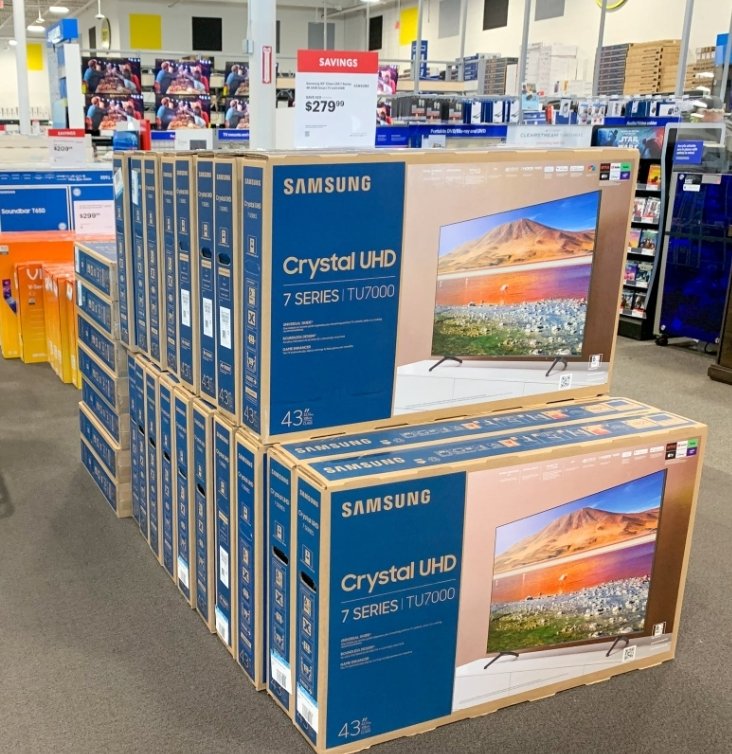
Retailers that sell various brand products at subsidized costs are known as full-line discount stores. Their primary purpose is to generate as many sales as possible by selling their products at lower prices. Some of the characteristics of these retailers include:
- Discounted prices of commodities. They offer subsidized prices on everything they sell, and consumers may benefit from more significant discounts if they are shopping in bulk.
- No customer service. Consumers are expected to guide themselves and choose their products using the labels and directory for guidance. However, consumers get assistance with the billing and packing of goods.
- A variety of different products in one place. Consumers are ensured to have a variety of brand products in which they can choose from their preferred preferences.
Full-line discount stores sell almost everything available on the market, ranging from groceries, clothing, shoes, food items, and home appliances, all under one roof. Some of the common examples of full-line discount stores include Walmart and Target.


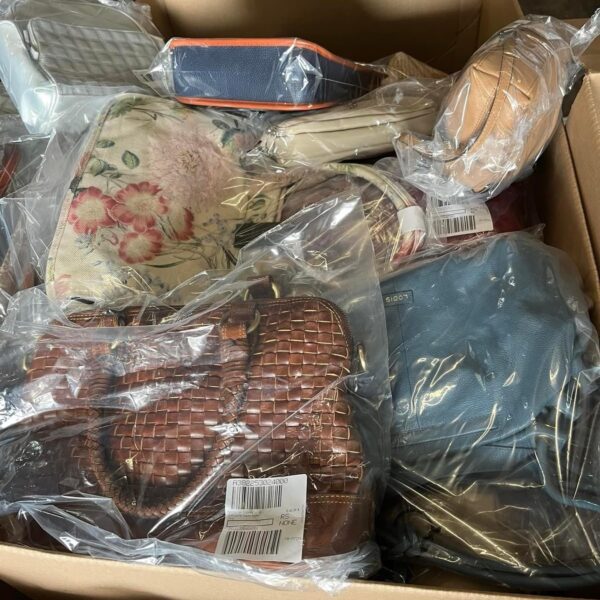

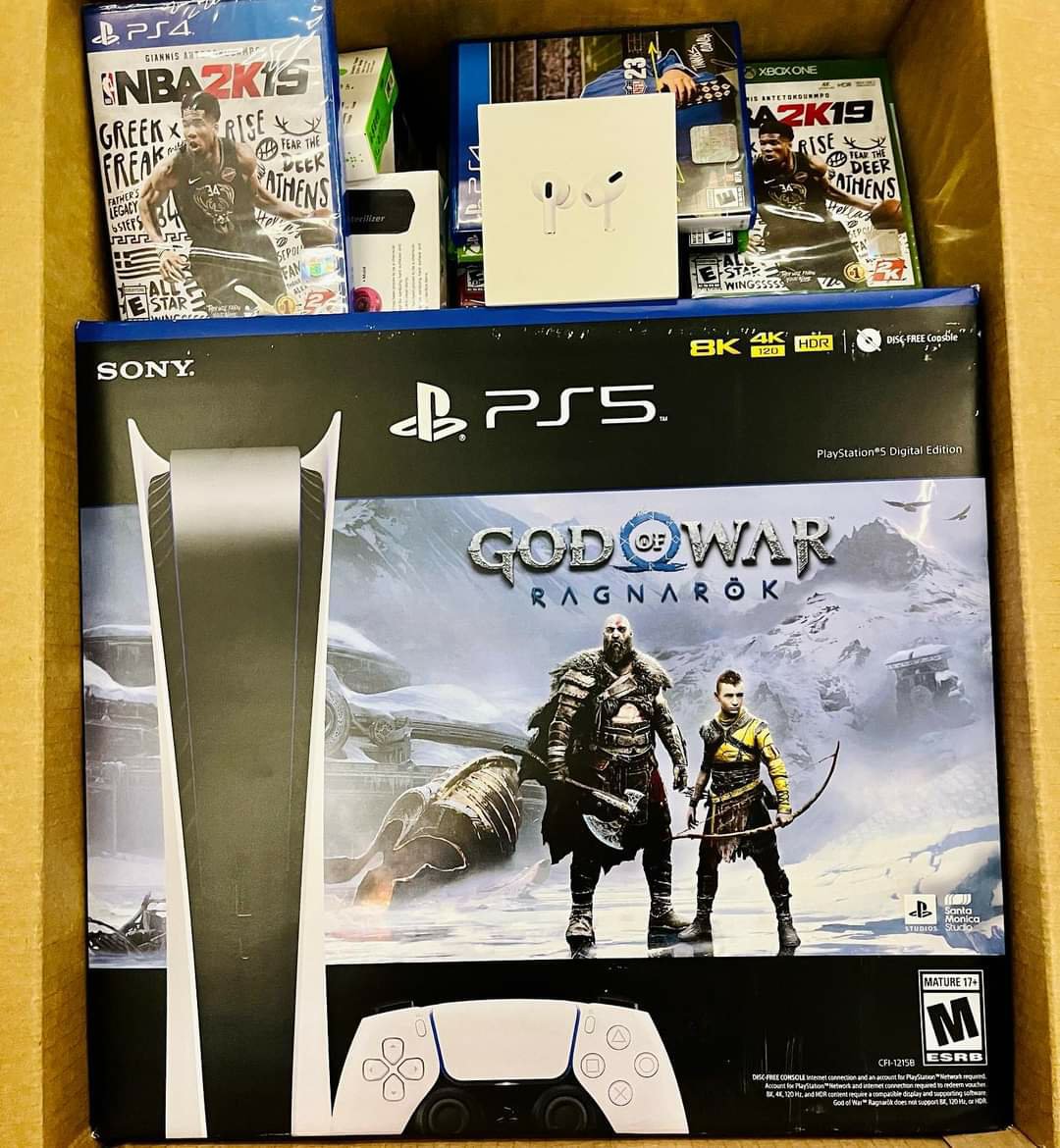
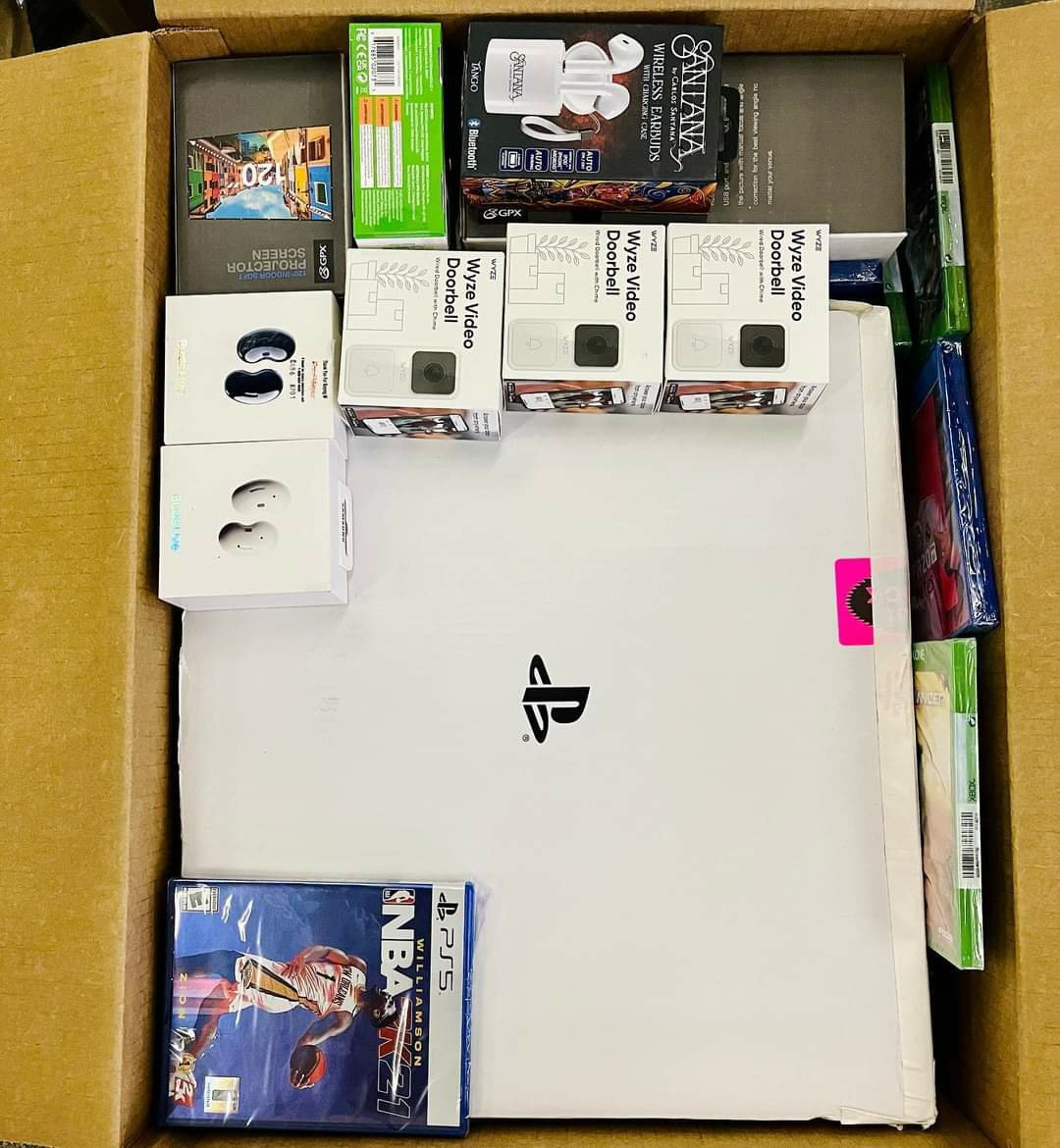


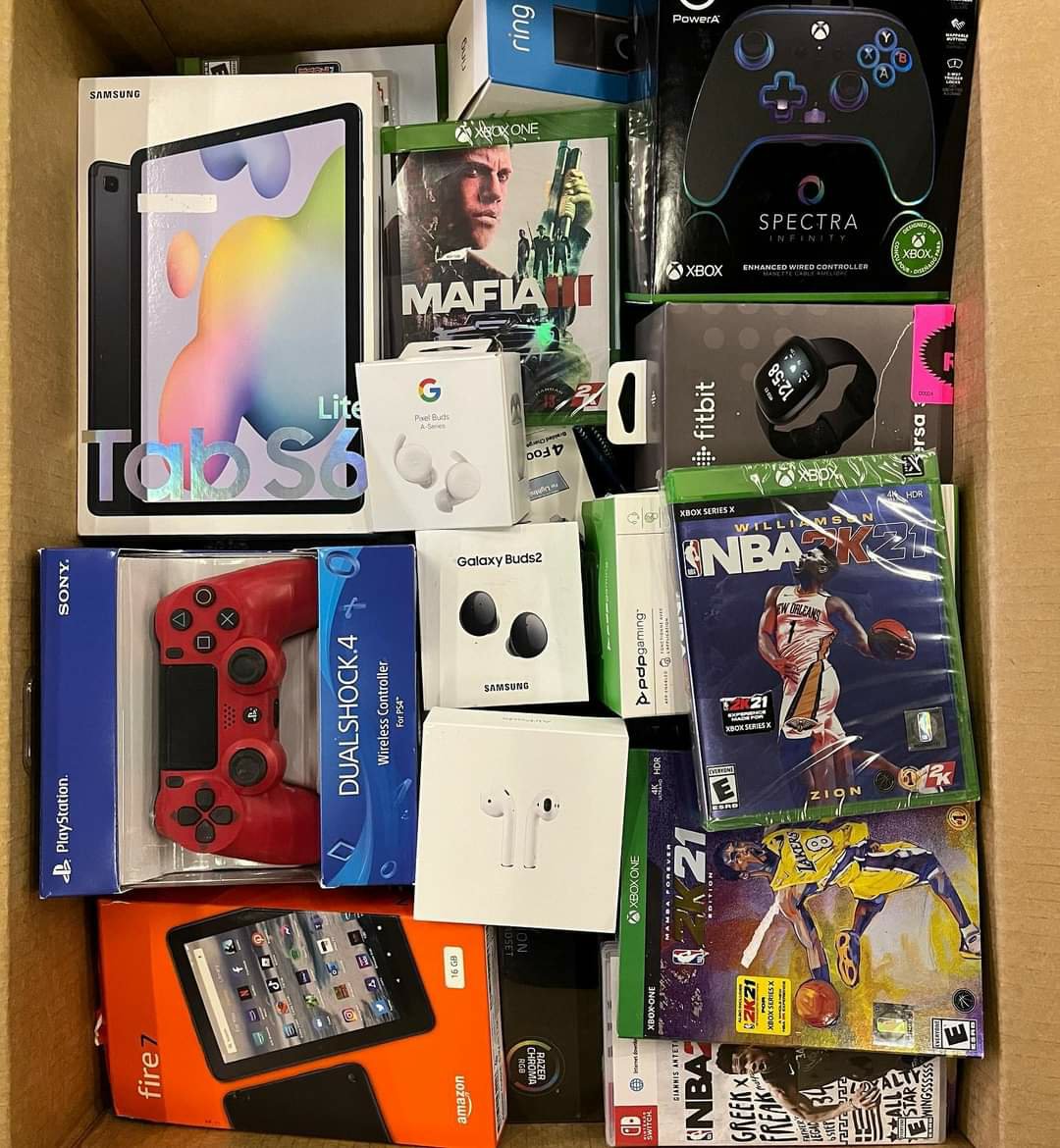
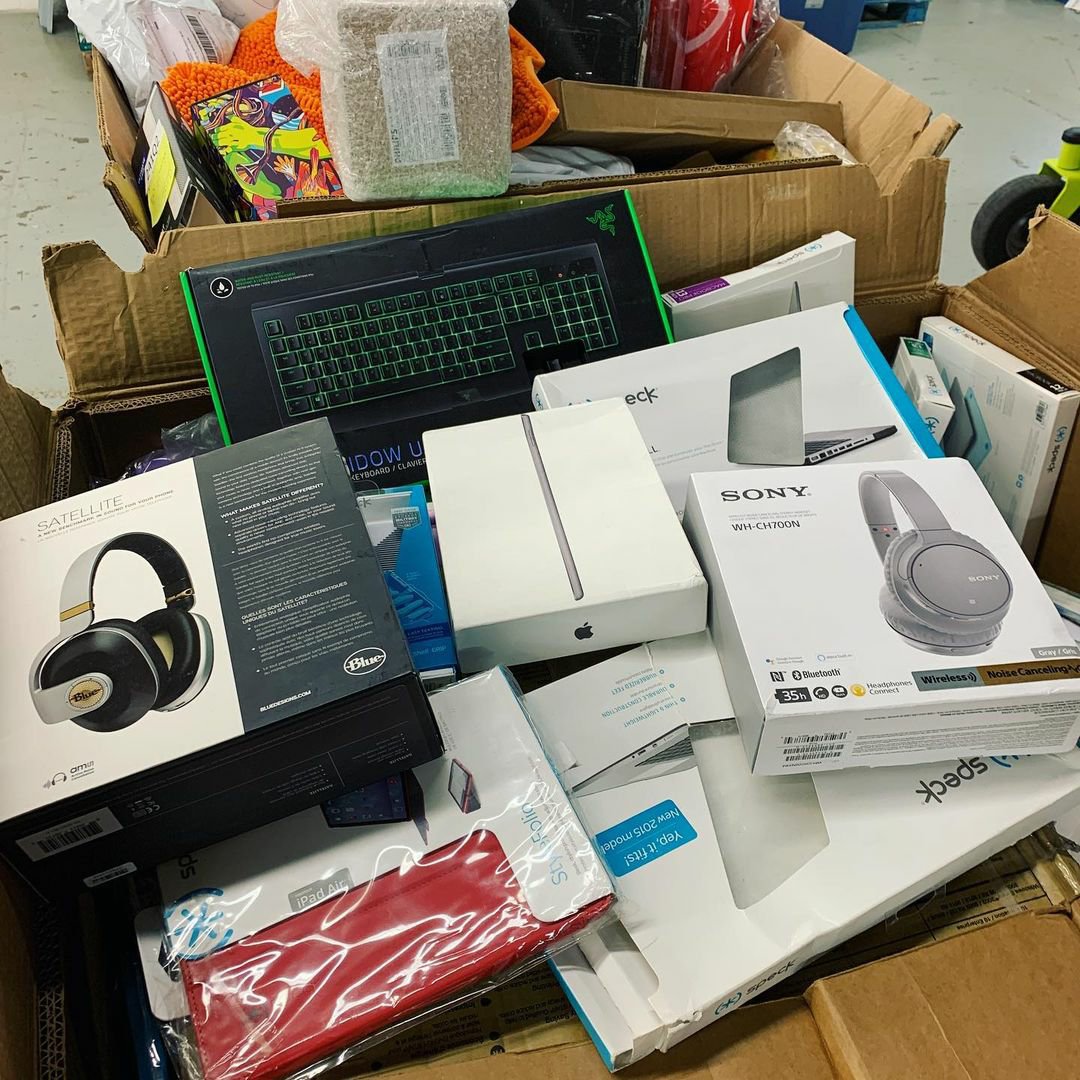
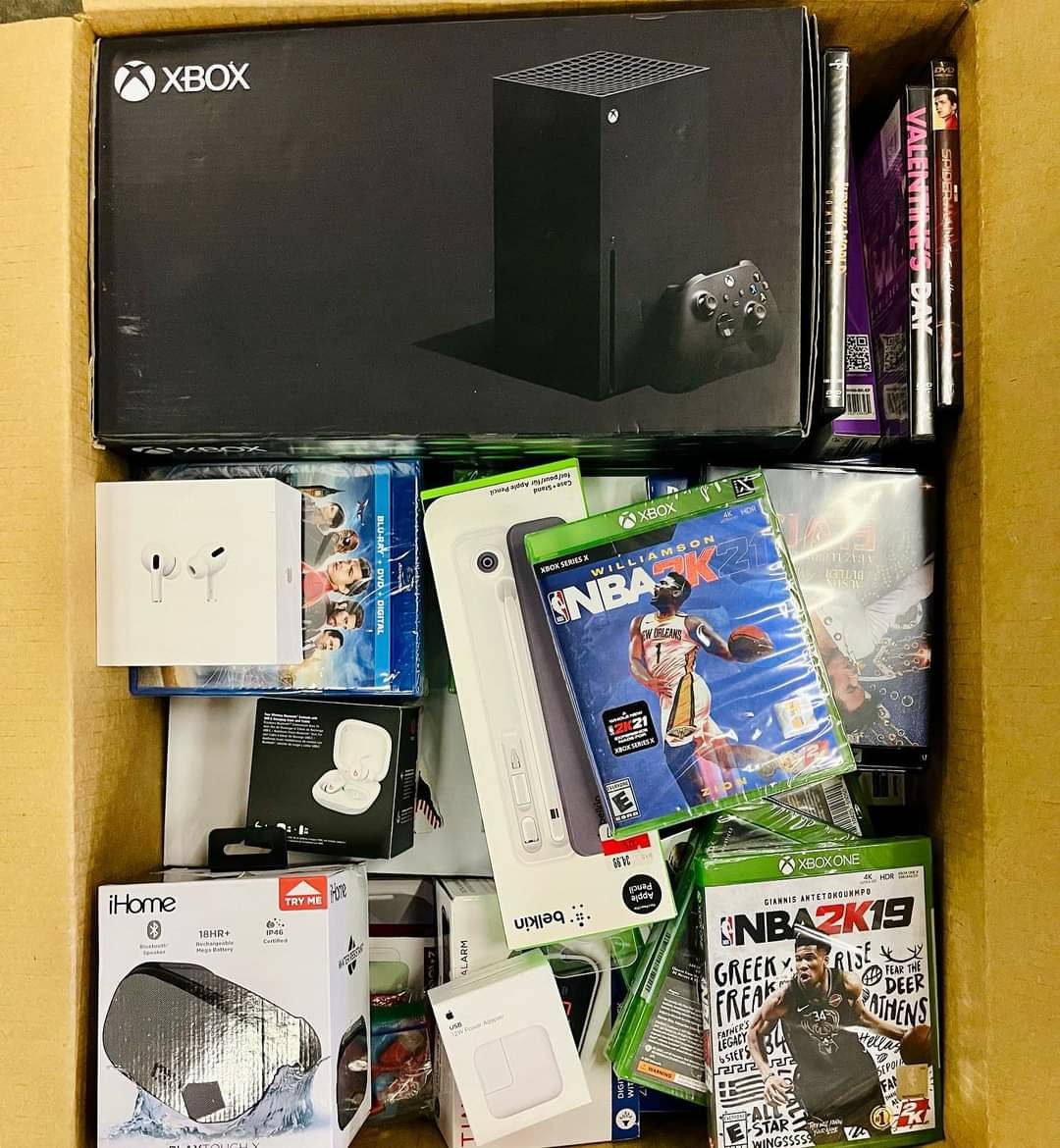
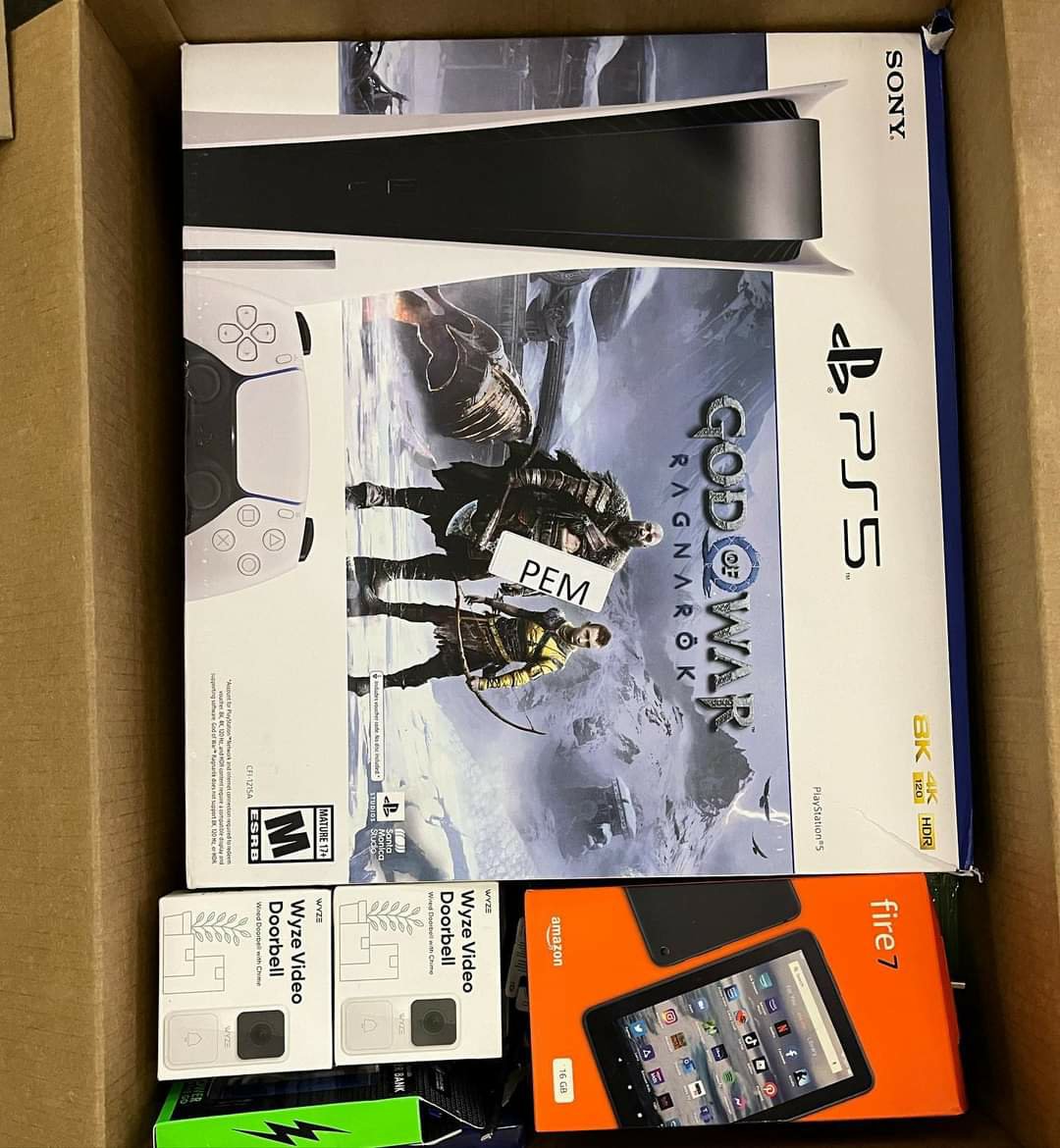
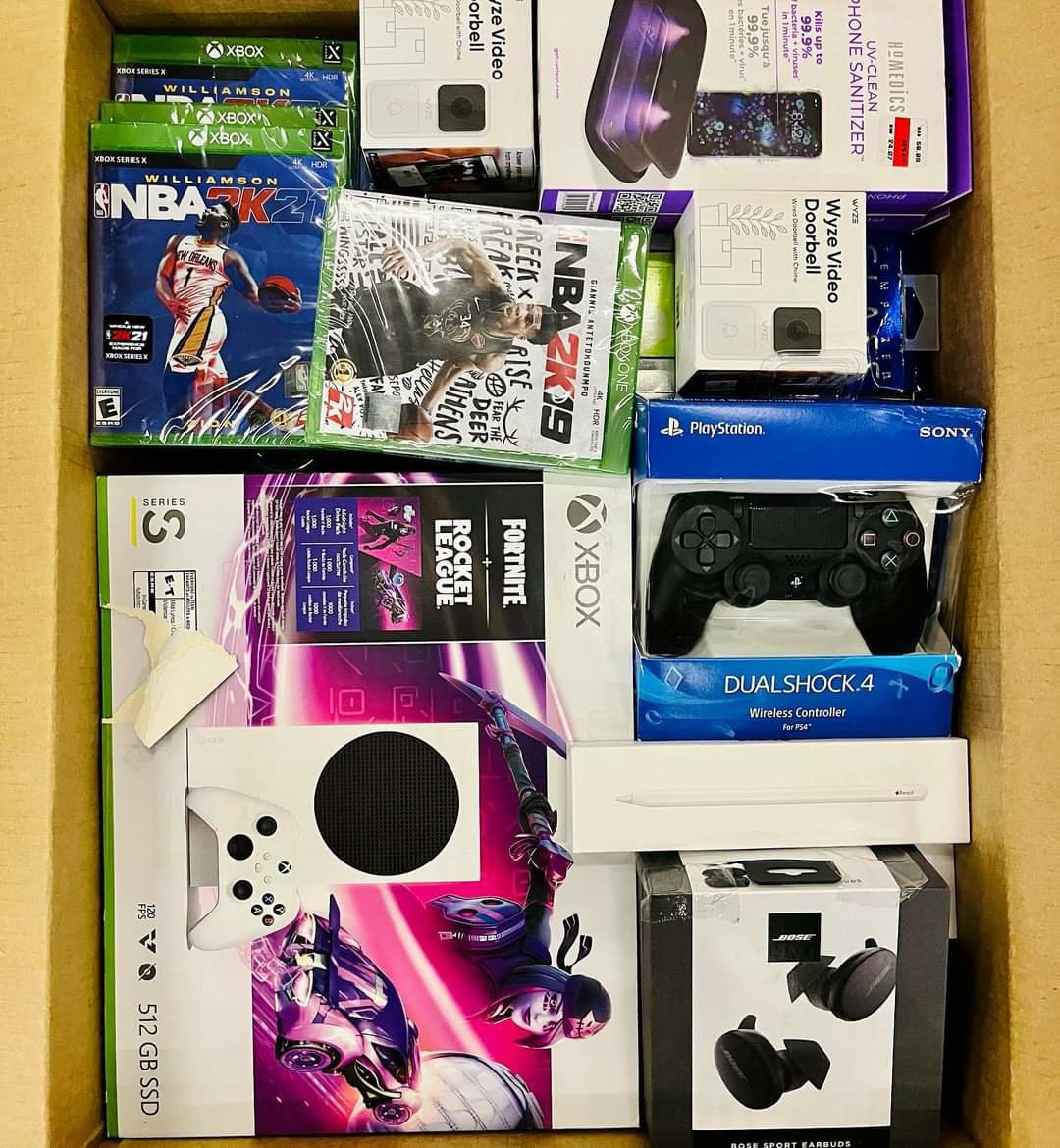


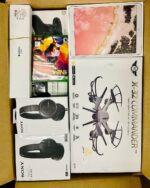
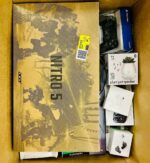
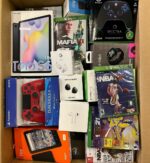
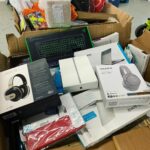
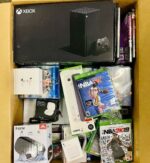
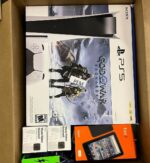


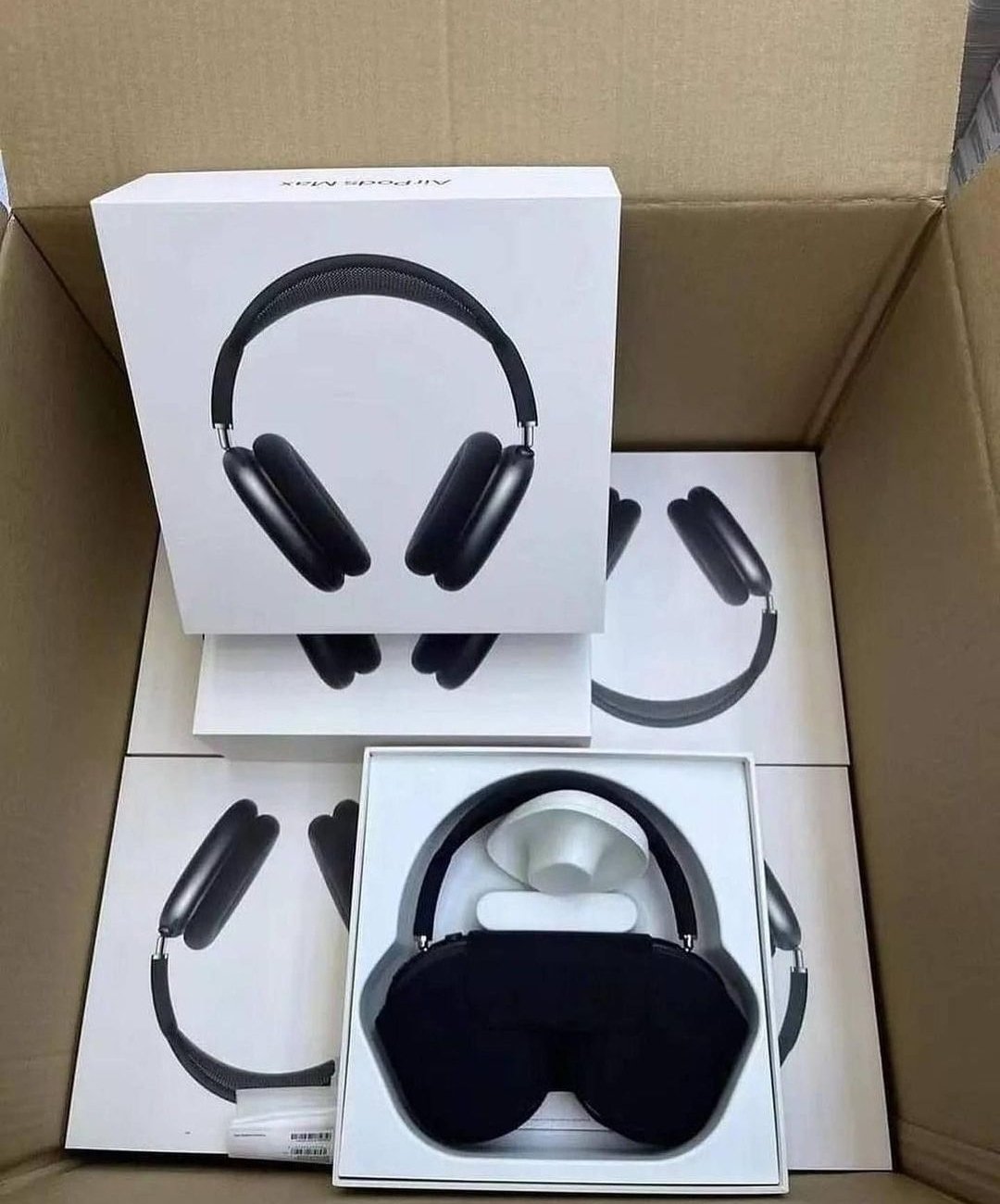
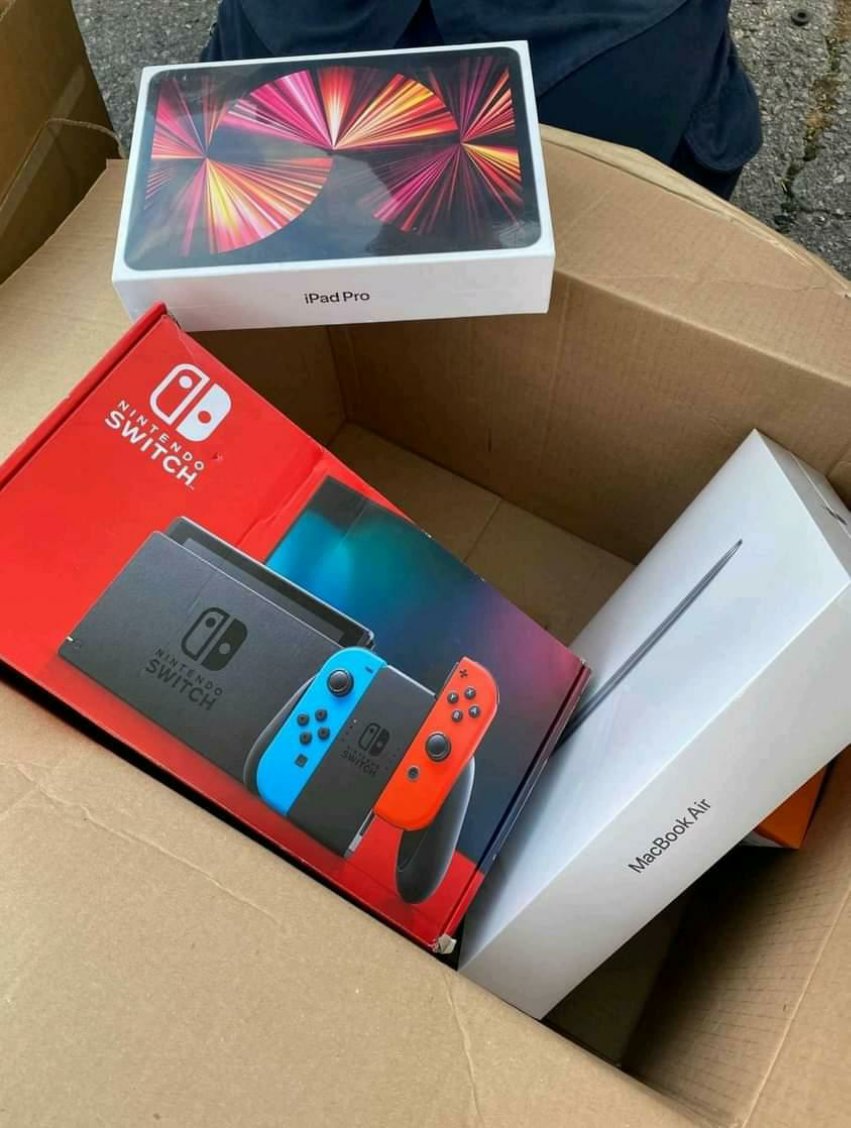
Anthony Cole (verified owner) –
Laura Jenkins (verified owner) –
I recommend this company. I have used many liquidation companies before and had a lot of issues. Most didn’t deliver. I made many losses until I found this company. I ordered a pallet for $500 … everything was delivered on time and sometimes faster than average.
Stefany Metcalf (verified owner) –
Excellent experience from start to finish. The purchase process was simple, communication was clear, and delivery was right on schedule. Very satisfied with what I received.
Rachel Adams (verified owner) –
I recommend this company. I’ve tried other liquidation sites before and had issues, but this order went smoothly. Payment was easy and my pallet arrived on time with exactly what was described.
Kevin Stewart (verified owner) –
The checkout process was quick and simple. Payment confirmation came immediately and shipping updates followed shortly after.
Ethan Parker (verified owner) –
Very happy with my purchase. The pallet was well wrapped, and most of the items were brand new as listed.
Tiffany Brooks (verified owner) –
Payment options were simple and secure. I had no issues completing my purchase.
Daniel Morris (verified owner) –
I was hesitant at first, but everything worked out great. I received tracking quickly and the pallet showed up within the estimated timeframe.
Hannah Cooper (verified owner) –
Everything arrived exactly as described. The pallet was packed securely and nothing was damaged.
Olivia Bennett (verified owner) –
I’ve ordered multiple pallets now and have been satisfied each time. Consistent quality and reliable delivery.
Susan Leadingham (verified owner) –
Overall a positive experience. Easy ordering, quick shipping, and solid value for the price.
Michael Grant (verified owner) –
Ordering was straightforward and secure. No hidden fees, no surprises, and the items were in good condition when they arrived.
Jack Black (verified owner) –
The items matched the description and were packaged well. It was a smooth transaction with no complications.